Feature Spotlight: Chad Hardin — The Artist Who Gave Harley Quinn Her Modern Voice
Feature Spotlight: Chad Hardin
7/10/20263 min read
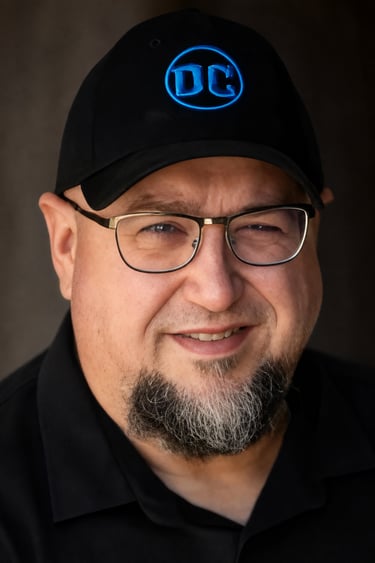

If you've flipped through a Harley Quinn comic in the last decade, there's a good chance Chad Hardin's linework is the reason she jumps off the page the way she does. This week's spotlight is on Hardin — the Utah-based artist, penciler, inker, and cover man who's spent over two decades in the trenches of the comic book industry, and who recently sat down for a refreshingly blunt interview titled "Why Art School is a MASSIVE Waste of Money." We're breaking down what he had to say, plus the career that backs it up.
From Video Games to Gotham City
Hardin's path into comics wasn't a straight line, and that's kind of the point of his whole philosophy. He started out doing freelance illustration for video games before landing work with Boom! Studios, then breaking into the big leagues with DC and Marvel. His big moment came at the 2013 Baltimore Comic-Con, when he was announced as a principal artist on DC's New 52 Harley Quinn series — the book that would define his career and turn him into one of the character's most recognizable modern illustrators. Since then, he's put his stamp on titles like The Spirit, Demon Knights, Blue Beetle, Teen Titans variant covers, and creator-owned projects like Temerity and Deathwatch.
He's also released four hardcover art books under his own Hardin Comics banner, run successful Kickstarter campaigns, and built a direct relationship with fans through commissions, sketch covers, and convention appearances — the same kind of creator-to-collector hustle that'll sound very familiar to anyone running a Whatnot show.
"Art School Wasn't What Got Me Here — Mentorship Was"
The core message of his interview is a hard swing against the traditional art-school pipeline. Hardin points out that job placement rates for art school grads have cratered, while tuition costs keep climbing — meaning aspiring artists are taking on serious debt for degrees that don't reliably lead to industry work.
What actually built his career, he says, was mentorship. He credits veteran artist Mike Grell as the single most valuable influence on his development — far more than anything he learned in a classroom. Learning by working alongside someone who'd already been through the grind, watching how they solved problems on the page in real time, gave him something a syllabus never could.
His advice to anyone trying to break in today: don't assume a degree is the ticket in. Find people already doing the work, learn from them directly, and put your energy into building a portfolio and hitting deadlines — because in this industry, reliability is currency.
Traditional Pencil, Digital Polish
Hardin also gets into his actual process — a hybrid of old-school and modern tools. He still leans on traditional pencils and inks for a lot of his work (he's pointed out that physical original art remains a meaningful income stream for artists, since collectors pay well for the real thing), while bringing digital techniques into finishing, coloring, and covers where it makes sense. It's a pragmatic approach: respect the craft, but don't ignore the tools that help you hit deadlines and reach a wider audience.
Deadlines come up again and again in the interview — not as a boring logistics note, but as something Hardin treats as core to professionalism in comics. Missing deadlines doesn't just annoy an editor; it can end a career. That discipline is part of why he's been able to stay working steadily across two major publishers for over a decade.
Cons, Fans, and the Business of Being an Artist
Hardin's also candid about the convention circuit and fan engagement — the sketch covers, commissions, and face-to-face moments with collectors that keep an independent artist's lights on. He's a strong advocate for fans directly supporting artists financially, especially as the cost of both education and everyday living keeps rising. For him, the con floor isn't just marketing — it's a real relationship with the people who buy the work.
The Takeaway
Chad Hardin's story is a solid reminder that a career in comics doesn't run through one approved path. Mentorship over tuition, traditional craft blended with digital efficiency, hard-nosed reliability, and genuine fan connection — that's the formula that took him from freelance video game work to defining an era of Harley Quinn. For anyone in our own comic community chasing a creative career, that's a spotlight worth paying attention to.
Watch a great interview with Chad: "Why Art School is a MASSIVE Waste of Money | Chad Hardin Interview" on the Sig Slayers
ScottyDew Comics LLC
Discover unique comics and collectibles every week!
© 2026 ScottyDew Comics LLC. All rights reserved.